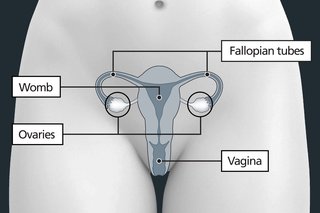
Symptoms of pelvic inflammatory disease (PID)
Not everyone with pelvic inflammatory disease (PID) will have symptoms.
If you do have symptoms, these may include:
- pain in the area between your tummy and thighs (pelvic pain) or in your lower tummy
- pain felt deep inside when you have sex
- heavy or painful periods that are unusual for you
- bleeding between periods or after sex
- vaginal discharge that looks, smells or feels unusual for you
Your symptoms may start quickly over a few days, or develop slowly and get worse over time.
Urgent advice: Ask for an urgent GP appointment or get help from NHS 111 if:
- you think you have symptoms of pelvic inflammatory disease (PID)
- you have pain in the area between your tummy and thighs (pelvic pain) that comes and goes
- you have symptoms of PID and you're pregnant or think you might be pregnant
- you've been diagnosed with PID and do not feel better after 3 days of taking antibiotics
You can call 111 or get help from 111 online.
Immediate action required: Call 999 or go straight to A&E if:
You think you have symptoms of pelvic inflammatory disease (PID) and you:
- have pain in the area between your tummy and thighs (pelvic pain) that's severe, getting worse, or hurts when you move or touch the area
- have pelvic pain and heavy bleeding from your vagina
- have a sharp, sudden and intense pain in your lower tummy
- have pain under your ribs on the right side and in your right shoulder
- feel dizzy or faint
- have a very high temperature, or feel hot, cold or shivery
- are feeling or being sick, or are feeling very unwell
Do not drive to A&E. Ask someone to drive you or call 999 and ask for an ambulance.
Bring any medicines you take with you.
Tests for pelvic inflammatory disease (PID)
A GP will ask about your symptoms, recent sexual partners, the type of contraception you use and if you could be pregnant.
You may also need a blood test, a pregnancy test or an ultrasound scan, or a referral to a sexual health clinic.
The GP will ask to feel your tummy and the area between your tummy and thighs (pelvis).
They may also ask to check inside your vagina like they do during cervical screening. This is so they can take samples of your vaginal discharge to test.
You can ask for a female doctor and for someone else to be in the room with you during the examination (a chaperone). A chaperone could be someone you know, a nurse or a trained member of staff.
How a vaginal examination is done
- You'll be asked to undress from the waist down, behind a screen. You'll be given a sheet to put over you.
- The GP will ask you to lie back on a bed, usually with your legs bent, feet together and knees apart. Sometimes you may need to change position.
- They'll gently put a smooth, tube-shaped tool (a speculum) into your vagina. A small amount of lubricant may be used.
- They will open the speculum so they can see your cervix and check for any signs of infection.
- Using a swab, they'll take a small sample of discharge from your cervix and vagina.
- They will close and remove the speculum, and leave you to get dressed.
Important
You're in control of the examination and can ask the doctor or nurse to stop at any time.
Causes of pelvic inflammatory disease (PID)
Pelvic inflammatory disease (PID) is usually caused by sexually transmitted infections (STIs) like chlamydia and gonorrhoea.
But it can also be caused by common bacteria that live in the vagina.
This is more likely to happen if:
- you've had PID before
- you've previously given birth or had a miscarriage, as this can damage your cervix (the opening to your womb)
- you've had a coil (IUD or IUS) fitted, a hysteroscopy or an abortion, or any other procedure that opens up the cervix
Treatment for pelvic inflammatory disease (PID)
Pelvic inflammatory disease (PID) is usually easy to treat if it's diagnosed early. If it's left untreated or the infection is severe, you may need to go to hospital.
The main treatment is antibiotics. The doctor will usually give you an injection of antibiotics, and prescribe antibiotic tablets for you to take for 2 weeks.
If you're in pain, taking an everyday painkiller such as paracetamol or ibuprofen can help.
If the GP thinks your symptoms were caused by a sexually transmitted infection (STI), you may be referred to a sexual health clinic.
The sexual health clinic will also contact your recent sexual partners to ask them to get tested.
You'll be advised to stop having sex until:
- you and your sexual partners have finished any antibiotics
- you no longer have symptoms
- your test results show the infection has gone
If you do have sex, you should use a condom.
Complications of pelvic inflammatory disease (PID)
Pelvic inflammatory disease (PID) can cause complications if it's not treated early.
These include:
- lumps or swellings filled with pus (abscesses) in your fallopian tubes or ovaries
- long-term pelvic pain
- problems with your fertility
- a higher risk of having an ectopic pregnancy, where your baby grows outside your womb
You can also keep getting pelvic inflammatory disease.
Page last reviewed: 17 December 2025
Next review due: 17 December 2028